
Winter Stiffness: Why Cold Weather Makes Your Joints and Back Hurt More
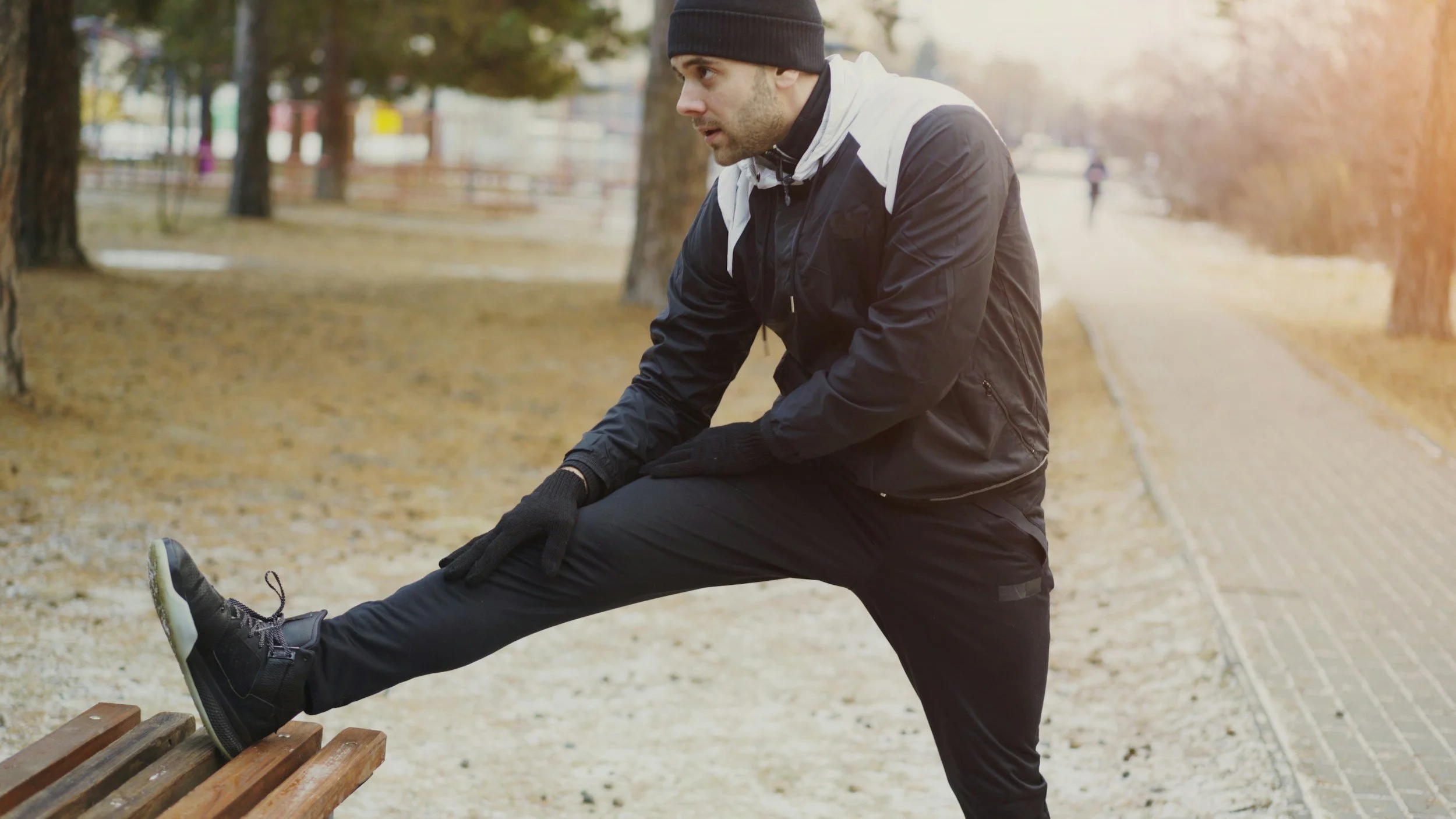
What’s Actually Going On When Winter Makes You Stiff?
If getting out of bed on a cold Leederville morning feels like your back has forgotten how to bend, you are not imagining it. Every winter we hear a version of the same thing from patients: “it’s not this bad in summer.” There is real physiology behind that complaint, and understanding it is the first step to doing something about it.
Winter joint and back pain is one of the most common seasonal complaints we see at Up Chiropractic, and with the last cold snaps of the Perth winter still biting, it is worth understanding why it happens — and what genuinely helps.
The Science: Why Your Joints Feel Worse in the Cold
There is no single cause, but several mechanisms appear to work together.
Synovial fluid thickens. In colder temperatures, the fluid that lubricates your joints becomes thicker and less effective, making joints feel stiffer and less mobile. [1]
Barometric pressure drops. As a cold front or rain system approaches, air pressure falls. Lower pressure may allow tissues around joints to expand slightly, increasing pressure on nearby nerves. [2][3]
Circulation narrows. Cold temperatures constrict blood vessels, meaning less blood — and fewer nutrients — reach the tissues around your spine and joints. [1]
Muscles tighten. Your body contracts muscles to conserve heat, and tighter muscles place extra tension on the joints and lower back, especially after sitting still. [1]
‘In colder temperatures with low barometric pressure, synovial fluid expands and thickens, increasing inflammation and making the joints less mobile’. [1]
A Stat Worth Noting: In a survey of chronic pain patients led by a Harvard Medical School researcher, 67.9% said they were sure changes in the weather affected their pain — most reporting they could feel it coming on before rain or a cold snap arrived. [3]
The research on exactly why weather affects pain is genuinely mixed — some studies find a strong link, others find very little — but for osteoarthritis specifically, a recent systematic review found a moderate correlation between pain and both temperature and pressure changes. [2]
Why Winter Also Means Less Movement — and That Makes It Worse

Cold mornings make most of us want to stay under the doona rather than go for a walk. Unfortunately, that instinct can work against you. A lack of physical activity causes joints to become stiffer, which creates a cycle: you move less because you are sore, and you become sorer because you are moving less. [4][5]
‘Strong muscles support your joints. Not exercising weakens those supporting muscles. Weak muscles put more stress on joints, which can make pain worse’. [5]
Reduced winter activity can also contribute to gradual weight gain, which adds further load through the spine, hips, and knees.
Who Notices Winter Stiffness Most
People with osteoarthritis or a history of joint injury
Anyone already managing chronic lower back pain
Older adults, as the volume of joint-lubricating synovial fluid naturally decreases with age [1]
People whose work involves a lot of sitting or repetitive lifting
Anyone who significantly cuts back on activity over the cooler months
How Chiropractic and Conservative Care Can Help
Cold weather does not damage your spine or cause arthritis — but it can amplify pain that already has a mechanical cause. That is where a proper assessment matters. Chiropractic care aims to identify what is actually restricting movement or irritating a joint or nerve, then address it directly, rather than just waiting for warmer weather.
Depending on what we find, care may include gentle spinal adjustments to restore joint mobility, soft tissue work to release tight winter-tense muscles, and a movement plan tailored to your current activity level and needs. Many patients also find it helpful to combine in-clinic care with the daily habits below.
Worth Noting: Weather does not appear to cause arthritis or spinal injury — current evidence suggests it influences how existing sensitivity and stiffness are experienced. If pain reliably worsens with the weather, that pattern is real and worth mentioning at your next assessment, even though researchers are still working out precisely why it happens. [2]

What You Can Do Right Now
Layer up, especially your extremities. Gloves, a scarf, and warm socks help protect the hands, neck, and feet, where heat is lost fastest. [4]
Warm up before you move. A warm shower or heat pack for around 20 minutes can relax tight muscles and make activity more comfortable before you start. [5]
Choose low-impact movement on the coldest days. Indoor walking, swimming, tai chi, or a gentle yoga class all keep joints mobile without adding strain. [4][5]
Stay hydrated. It is easy to drink less water in winter, but joint tissue still needs it.
Keep a consistent, gentle daily routine rather than “hibernating” until spring — little and often beats a big push once the weather turns.

‘Regular exercise can reduce some of the symptoms of arthritis, and improve your joint mobility and strength’. [4]
‘Even moderate exercise can ease pain and help your joints. Consistency in your exercise is more important than intensity’. [5]
CAUTION: Seek Prompt Assessment If: your stiffness does not ease within 20–30 minutes of gentle movement, or if you notice swelling, redness, warmth in a joint, fever, or unexplained weight loss alongside your pain. These are not typical features of winter stiffness and deserve a proper check-up.
The Bottom Line: Cold weather does not damage your joints or spine, but it can genuinely amplify how existing stiffness and pain feel — through thickened synovial fluid, tighter muscles, reduced circulation, and simply moving less. The answer is not to wait out winter. It is to stay warm, keep moving, and have the underlying mechanical cause of your pain properly assessed.
Frequently Asked Questions
FAQ: Does cold weather actually cause arthritis or back problems? No — current research does not show that cold weather causes arthritis or spinal injury. It appears to influence how existing joint and nerve pain is felt, likely through changes in barometric pressure, synovial fluid thickness, and muscle tension. [1][2]
FAQ: Why do my joints ache before it rains? Many people notice pain building as barometric pressure drops ahead of a cold front or rain. Falling pressure may allow tissues around joints to expand slightly, which can increase pressure on sensitive nerves. [3]
FAQ: What’s the best way to manage winter joint and back stiffness? Staying consistently active with low-impact movement, layering up to keep joints warm, warming up before exercise, and getting any underlying mechanical cause properly assessed all help reduce winter flare-ups. [4][5]
Ready to Move Through Winter More Comfortably? If cold-weather stiffness has been slowing you down, book in with the team at Up Chiropractic for a thorough assessment and a plan suited to your spine. Book an Appointment https://upchiropractic.com.au/book
References
1. Boyle KK. “Why joint pain is worse in cold weather, and 4 proven ways to manage it.” UT Southwestern Medical Center MedBlog. 15 January 2026. https://utswmed.org/medblog/winter-weather-joint-pain/
2. Shmerling RH. “Can the weather really worsen arthritis pain?” Harvard Health Publishing. 22 June 2020. https://www.health.harvard.edu/blog/can-the-weather-really-worsen-arthritis-pain-201511208661
3. Arthritis Foundation of WA. “Winter & Arthritis.” Arthritis WA. Accessed August 2026. https://www.arthritiswa.org.au/condition/winter-and-arthritis/
4. Department of Health, State Government of Victoria. “Arthritis and exercise.” Better Health Channel. Reviewed 11 November 2024. https://www.betterhealth.vic.gov.au/health/conditionsandtreatments/arthritis-and-exercise
5. Mayo Clinic Staff. “Exercise helps ease arthritis pain and stiffness.” Mayo Clinic. 3 April 2026. https://www.mayoclinic.org/diseases-conditions/arthritis/in-depth/arthritis/art-20047971