
Growing Pains or Sports Injury? A Leederville Chiropractor’s Guide to Kids’ Sport
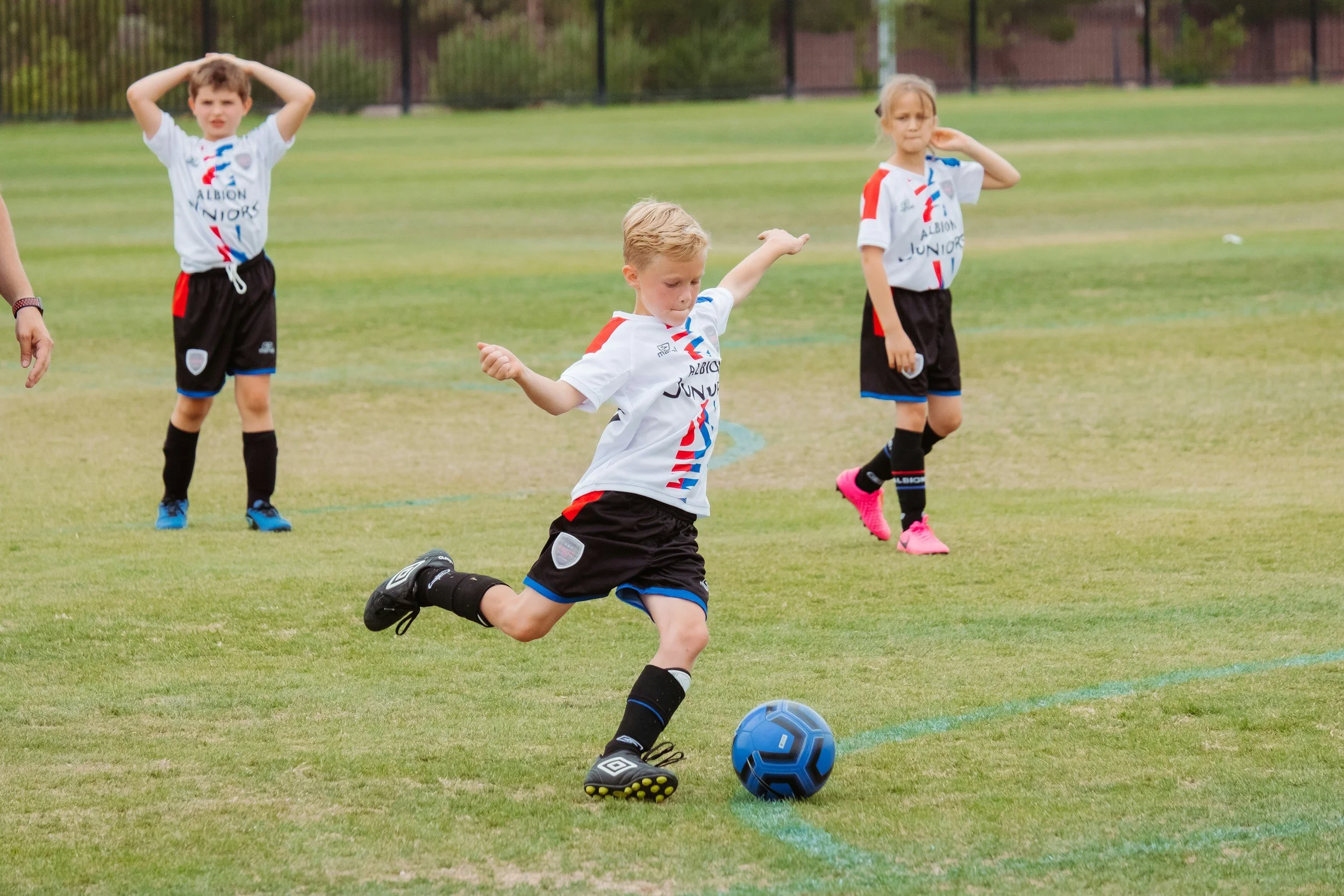
Is It Just Growing Pains, or Is Something Else Going On?
Your 11-year-old finishes Saturday footy and limps to the car, rubbing a sore heel. Or your 6-year-old wakes at 2am crying about aching legs, then bounds out of bed the next morning like nothing happened. Kids' sports injuries and growing pains can look surprisingly similar, and as a parent around Leederville and the northern suburbs, you are left wondering whether to push on, rest up or book in. Knowing which is which helps you act early without wrapping your child in cotton wool.
A few numbers worth knowing
‘Growing pains’ usually affect children aged 3 to 12, most often in both legs and at night.[1]
Osgood-Schlatter disease (knee) most often affects ages 10 to 14, and Sever's disease (heel) mainly ages 9 to 13, both during growth spurts.[2][3]
A meta-analysis of youth sport found neuromuscular training programs were linked to a 36 per cent lower rate of lower-limb injury.[4]
What Are Growing Pains, Really?
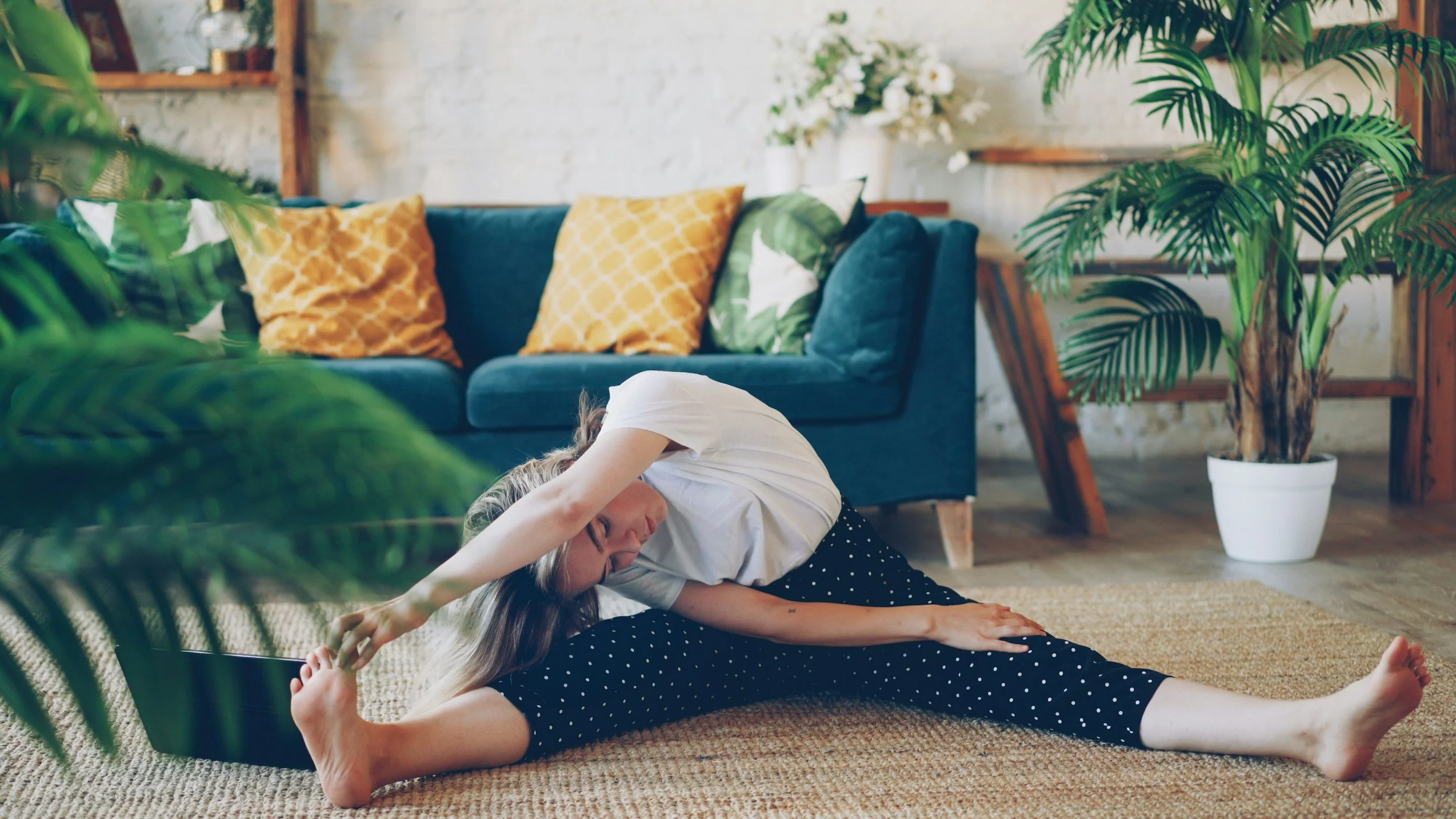
Despite the name, growing pains are not caused by growing. The cause is not fully understood, and exercise is only sometimes linked to them.[1] They typically show up as an ache in both legs, in the thighs, calves or feet, usually in the evening or overnight, and they are normally gone by morning. A helpful clue is that a child with growing pains will often let you massage the sore spot, while a child with something more serious often will not.[1] Heat packs, a gentle massage, stretches and a warm bath before bed usually help, and there is no need to stop sport or outdoor play.[1]
When It Is Actually a Sports Injury
During growth spurts, a child's bones can grow faster than the muscles and tendons attached to them. The tight tendons then tug on the soft growth plates at the ends of the bones, which is the mechanism behind two of the most common culprits we see:
Sever's disease: heel pain in children aged around 9 to 13, more common in kids who run, jump or stand a lot, such as in soccer, netball, basketball and ballet.[3]
Osgood-Schlatter disease: pain and swelling just below the kneecap, most often in 10 to 14 year olds playing running and jumping sports.[2]
Unlike growing pains, these tend to hurt during or after activity, usually in one spot or one side, and often get worse over time. Both settle once the growth plate finishes growing, but they are worth managing properly in the meantime.[2][3]
Dr Miles's tip: Ask your child to point with one finger to where it hurts. Pain they can pinpoint on one heel or one knee, especially if it flares with sport, is more likely to be an injury than a growing pain.
Why Junior Sport Injuries Happen
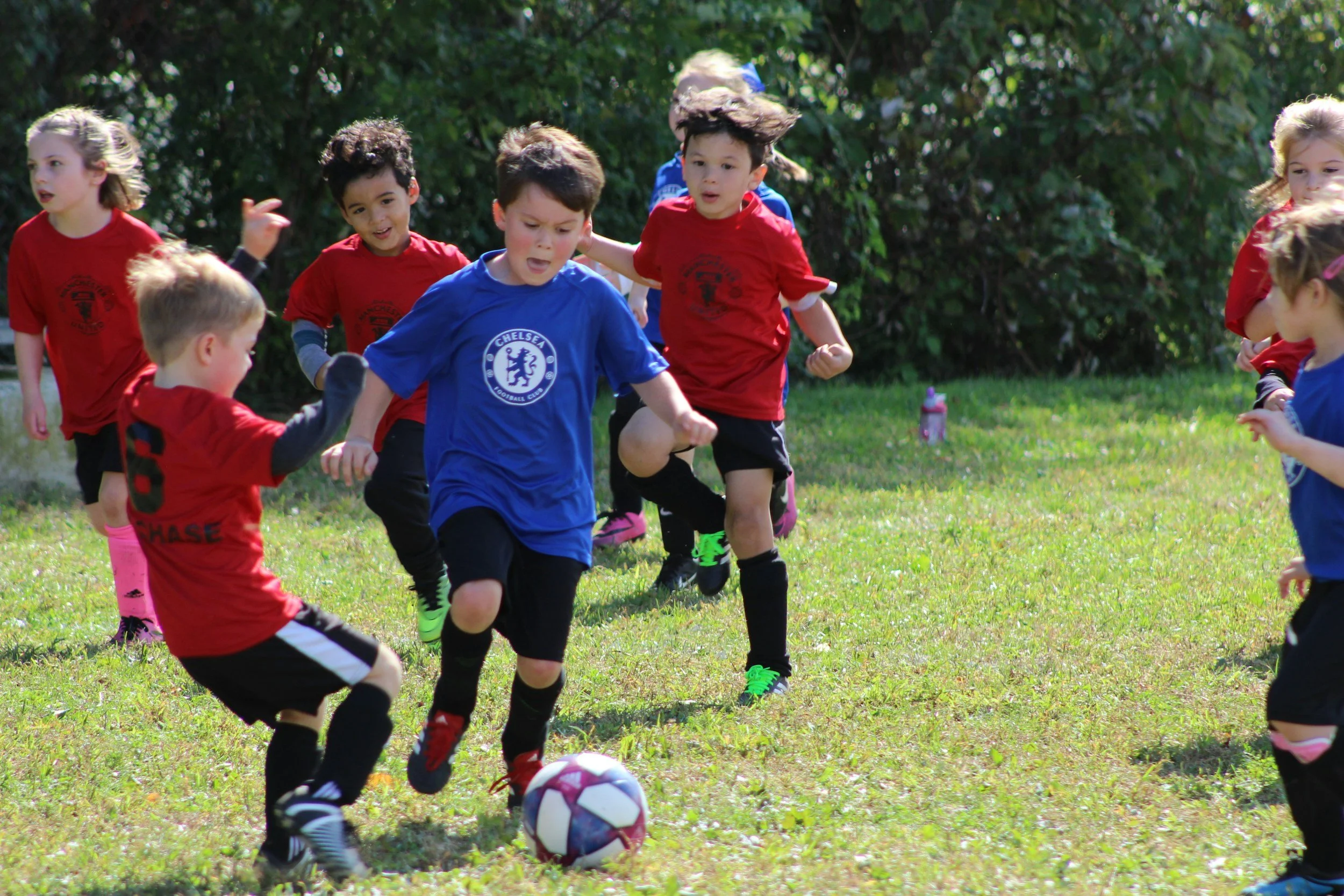
Growth spurts are only part of the picture. Sports medicine bodies have long flagged overuse injuries and burnout as real concerns in young athletes, particularly when kids play the same sport year-round or stack training sessions on top of games.[5] In Perth, it is common for a child to play footy or netball for school, club and a weekend carnival all at once, with little downtime between. Add a growth spurt and tight hamstrings or calves, and the load on those growth plates builds up quickly.
Worth noting: Warm-ups matter more than most families realise. Structured neuromuscular training, which includes strength, balance and landing technique, reduced lower-limb injury rates in youth sport, though many teams do not keep these programs going all season.[4]
What You Can Do Right Now
If your child has a sore heel or knee that appears with sport, the usual first steps are a short break from running and jumping, an ice pack for 20 minutes after painful activity, and stretching and strengthening for the leg muscles.[2][3] In severe cases of Sever's disease, one to two seasons away from sport may be needed, so patience and a sensible plan help.[3]
Dr Miles's tip: Build a proper warm-up into every training session, with light jogging, leg swings, squats and single-leg balance. Five to ten minutes is enough, and it is one of the most useful habits a young athlete can learn.
Dr Miles's tip: Keep at least one or two full rest days each week, and encourage a break between seasons. Kids who rest well tend to enjoy their sport for longer.
How a Chiropractor Can Help
The published evidence for chiropractic care in children is smaller than for adults, so at Up! Chiropractic we are careful about what we promise. Our role is to work out what is actually going on, check how your child's hips, knees, ankles and spine are moving, spot tight or weak areas that may be driving the pain, and give you clear, practical advice on load, stretching and strengthening. If something looks like it needs a GP or imaging, we will refer you. You can read more about what we offer on our services page, or use our new patient enquiry form to ask a question first.
See a doctor promptly if your child has: very bad or worsening pain, a limp or refusal to walk or play sport, a hot, swollen or tender area, pain in a joint or in only one leg, or fevers, night sweats, unusual drowsiness or weight loss.[1]
The Bottom Line: Aches in both legs at night can be harmless growing pains. Pain in one heel or knee that flares with sport is more likely a growth-plate overload that deserves attention. Warm up well, rest well and get sore spots checked early.
Dr Miles’s tip: The key with growing children is not to just treat the injury, but to work out why the injury has happened in the first place…is there an imbalance that is being overlooked?
Frequently Asked Questions
Should my child stop sport if they have growing pains?
Usually not. Activity does not need to stop for true growing pains, though it is worth having a health professional check any pain that is severe, one-sided or limits sport.[1]
How long does Sever's disease or Osgood-Schlatter last?
Both settle once the growth plate finishes growing. Pain typically improves with rest from running and jumping and with stretching and strengthening, although severe Sever's disease may need one to two seasons away from sport.[2][3]
Can injuries in junior sport be prevented?
Many can be reduced. A meta-analysis found neuromuscular warm-up programs reduced lower-limb injury rates in youth sport, so a consistent warm-up is a good place to start.[4]
Ready to Get Your Young Athlete Back to Pain-Free Sport?
If your child has aches that are not settling, or a sore heel or knee that keeps flaring, we would love to help. Book your appointment at Up! Chiropractic in Leederville today.
References
Raising Children Network (Australia). "Growing pains in children and teenagers." raisingchildren.net.au. Accessed 2026. https://raisingchildren.net.au/guides/a-z-health-reference/growing-pains
Sydney Children's Hospitals Network. "Osgood-Schlatter disease factsheet." schn.health.nsw.gov.au. Accessed 2026. https://www.schn.health.nsw.gov.au/factsheets/osgood-schlatter-disease
Sydney Children's Hospitals Network. "Sever's disease factsheet." schn.health.nsw.gov.au. Accessed 2026. https://www.schn.health.nsw.gov.au/factsheets/severs-disease
Emery CA, Roy TO, Whittaker JL, Nettel-Aguirre A, van Mechelen W. "Neuromuscular training injury prevention strategies in youth sport: a systematic review and meta-analysis." British Journal of Sports Medicine. 2015;49(13):865-870. https://pubmed.ncbi.nlm.nih.gov/26084526/
DiFiori JP, Benjamin HJ, Brenner JS, et al. "Overuse injuries and burnout in youth sports: a position statement from the American Medical Society for Sports Medicine." British Journal of Sports Medicine. 2014;48(4):287-288. https://pubmed.ncbi.nlm.nih.gov/24463910/