
Sciatica: What It Is, Why It Happens, and What You Can Do About It
What Actually Is Sciatica?
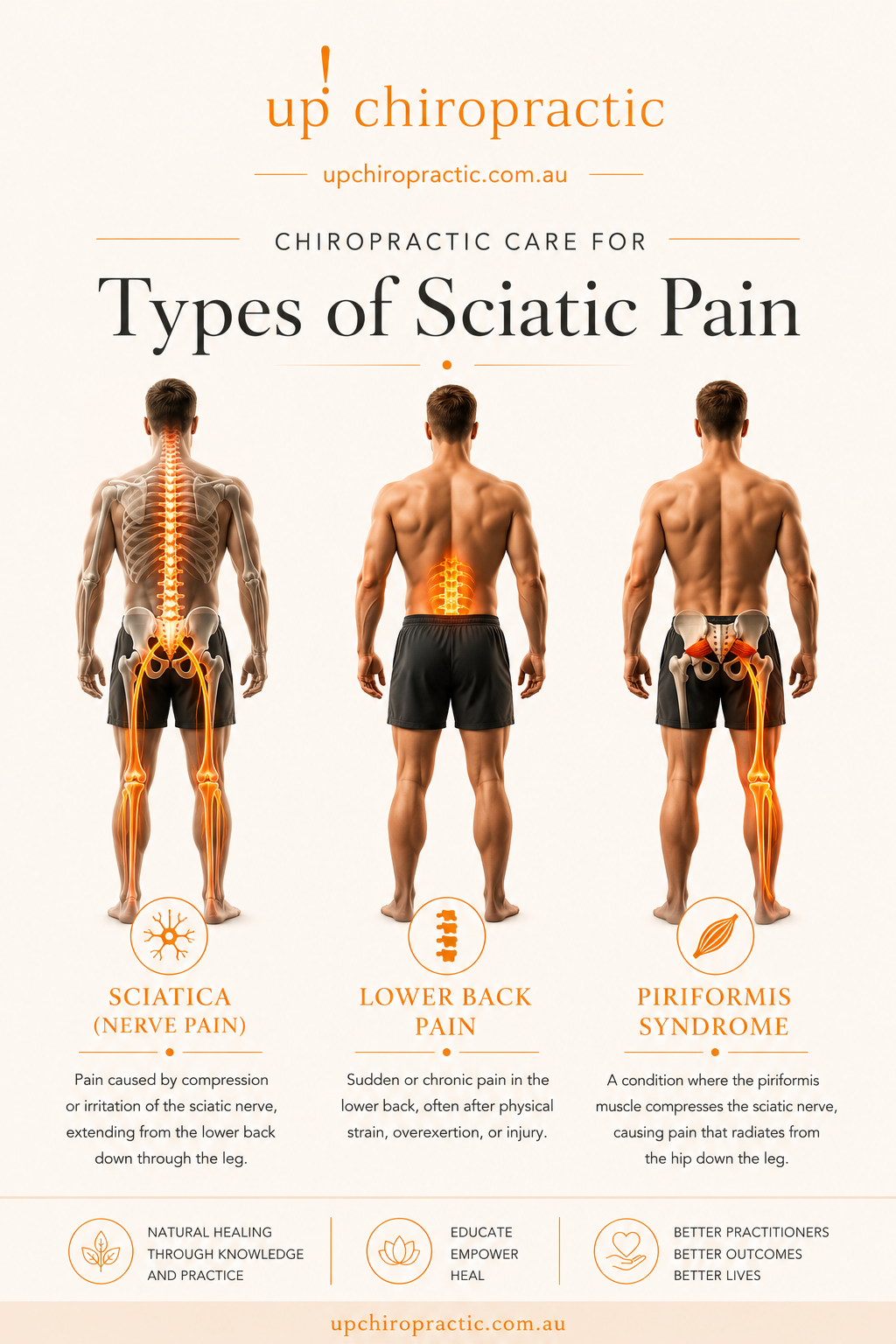
If you have ever felt a sharp, burning pain shoot from your lower back all the way down through your buttock and into your leg, there is a good chance sciatica was behind it. It is one of the most common pain complaints we see at Up Chiropractic, and it is also one of the most misunderstood. People assume it is just lower back pain. It is not. Sciatica is nerve pain, and that distinction matters enormously when it comes to how you treat it.
Sciatica is not a diagnosis in itself. It is a set of symptoms caused by irritation or compression of the sciatic nerve, the longest and widest nerve in the human body. That nerve originates in your lower lumbar spine, travels through your glutes, and runs all the way down each leg to your feet.[1]
When something puts pressure on that nerve or inflames the surrounding tissue, the result can be a burning, shooting, or electric pain that follows the nerve's path. Most people feel it on one side of the body only, though bilateral cases do occur.
40% of people will experience sciatica at some point in their lives
1 in 6 Australians currently live with a chronic back condition, including sciatica
80–90% of sciatica cases improve without surgery when managed correctly
According to the Australian Institute of Health and Welfare, an estimated 3.7 million Australians have chronic back problems, with sciatica among the most significant contributors to that burden.[2] The lifetime incidence of sciatic-type nerve pain is estimated between 13% and 40% globally, depending on how it is defined.[3]
What Causes Sciatica?
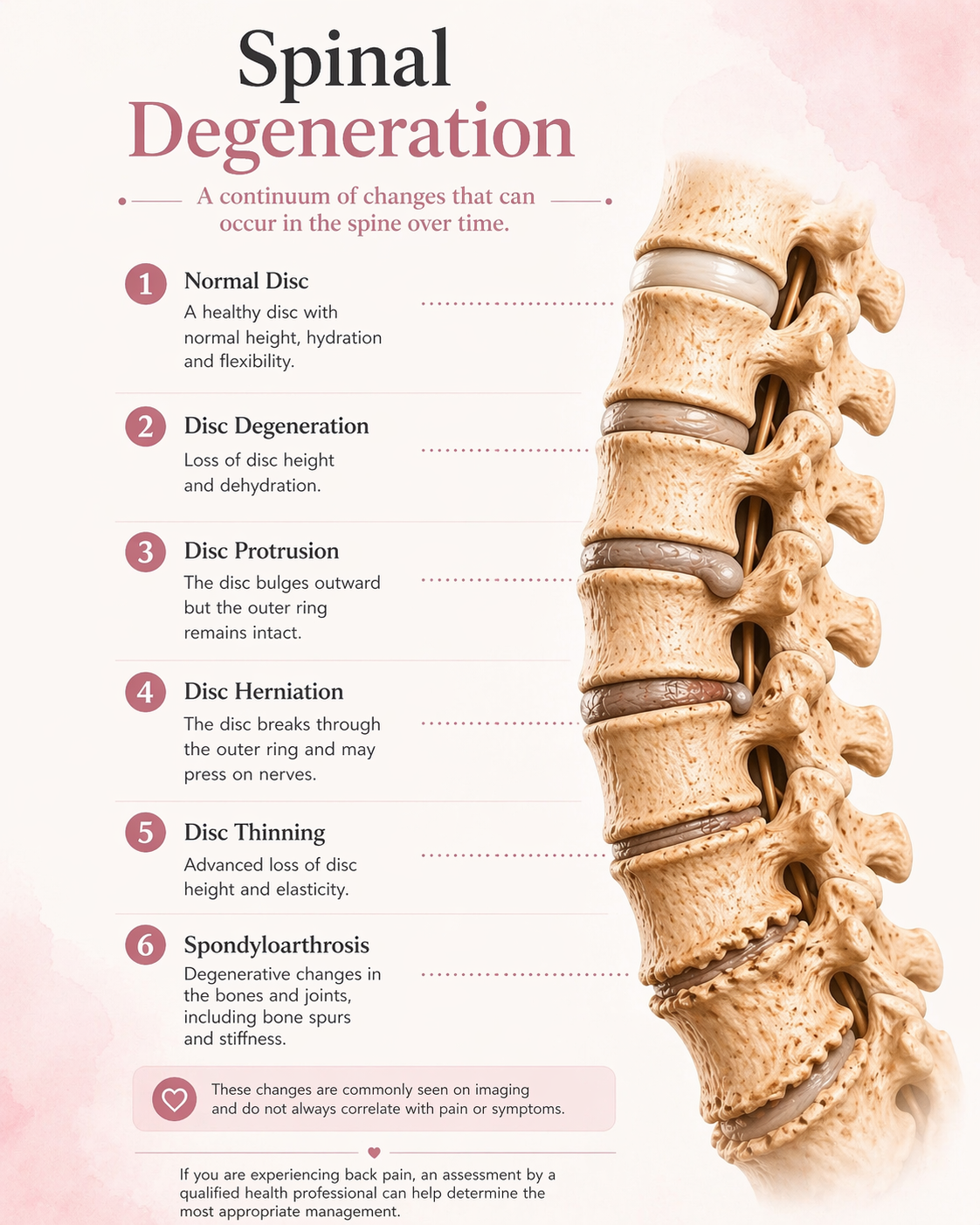
The most common cause is a herniated or bulging disc in the lumbar spine. Research suggests disc herniation is responsible for up to 90% of sciatica cases.[4] When disc material pushes outward, it can directly contact one of the sciatic nerve roots, triggering that characteristic radiating pain.
Other common causes include:
Spinal stenosis: narrowing of the spinal canal that compresses nerves in the lower back
Degenerative disc disease: age-related wear on the discs that reduces their ability to cushion the vertebrae
Spondylolisthesis: when one vertebra slips forward over the one below it, pinching the nerve
Piriformis syndrome: tightness in the piriformis muscle (deep in the glute) that can irritate the sciatic nerve as it passes underneath or through it
Bone spurs: bony overgrowths that develop on the vertebrae and can encroach on nerve space
Risk Factors Worth Knowing
A comprehensive umbrella review of systematic research, involving over 134 cohort studies, found that the most significant risk factors for sciatica and lower back pain fall into four broad categories: poor general health, physical stress on the spine, psychological stress, and individual characteristics like age.[5]
More specifically, research published in Scientific Reports found that obesity combined with exposure to whole-body vibration (such as heavy machinery operation or prolonged driving) significantly raises sciatica risk, and that prolonged sitting and sedentary occupations are also major contributors.[6]
Other notable risk factors include:
Age between 30 and 50 (though it can occur at any age)
Smoking, which impairs circulation and disc nutrition
Occupations requiring repetitive lifting, twisting, or prolonged sitting
Sedentary lifestyle
Psychological stress and depression, which are linked to both the onset and severityof nerve-related pain
Family history and genetic predisposition
Worth Noting
Most of the risk factors for first-time sciatica are modifiable. A systematic review published in PubMed found that smoking, obesity, occupational habits, and general health status all significantly increase risk, and that addressing these factors early is one of the most effective forms of prevention.[7]
Recognising the Symptoms
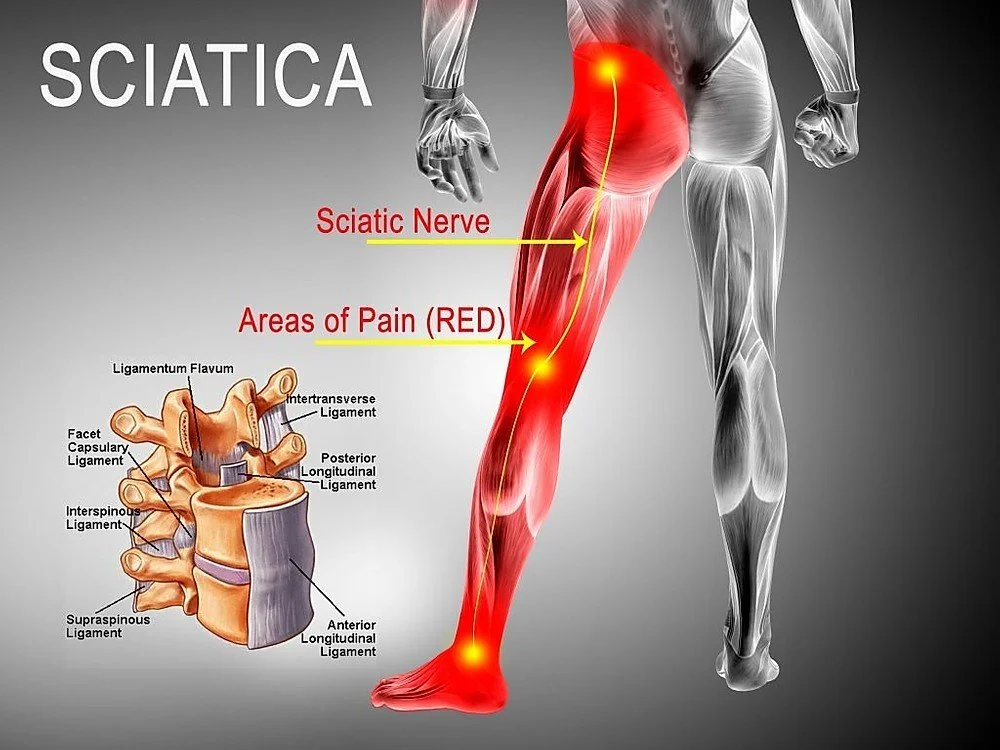
Sciatica symptoms vary from person to person but tend to follow a recognisable pattern. The hallmark is pain that radiates from the lower back through the buttock and down one leg, sometimes reaching the foot. It can feel like any combination of the following:
A sharp, shooting, or burning sensation running down the leg
Numbness or tingling in the leg, calf, or foot
Weakness in the affected leg or foot
Pain that worsens when sitting, standing still for long periods, or sneezing and coughing
Persistent lower back pain or hip pain alongside the leg symptoms
Symptoms can range from mildly irritating to completely debilitating. Research notes that people with sciatica often experience a more persistent and intense form of pain than those with general lower back pain, and tend to have longer periods of disability and greater use of healthcare resources if left unmanaged.[8]
Seek Urgent Care If You Experience:
Loss of bladder or bowel control, progressive weakness in both legs, or severe numbness in the groin or inner thighs. These may indicate cauda equina syndrome, a rare but serious neurological emergency requiring immediate medical attention.
How Chiropractic Care Can Help
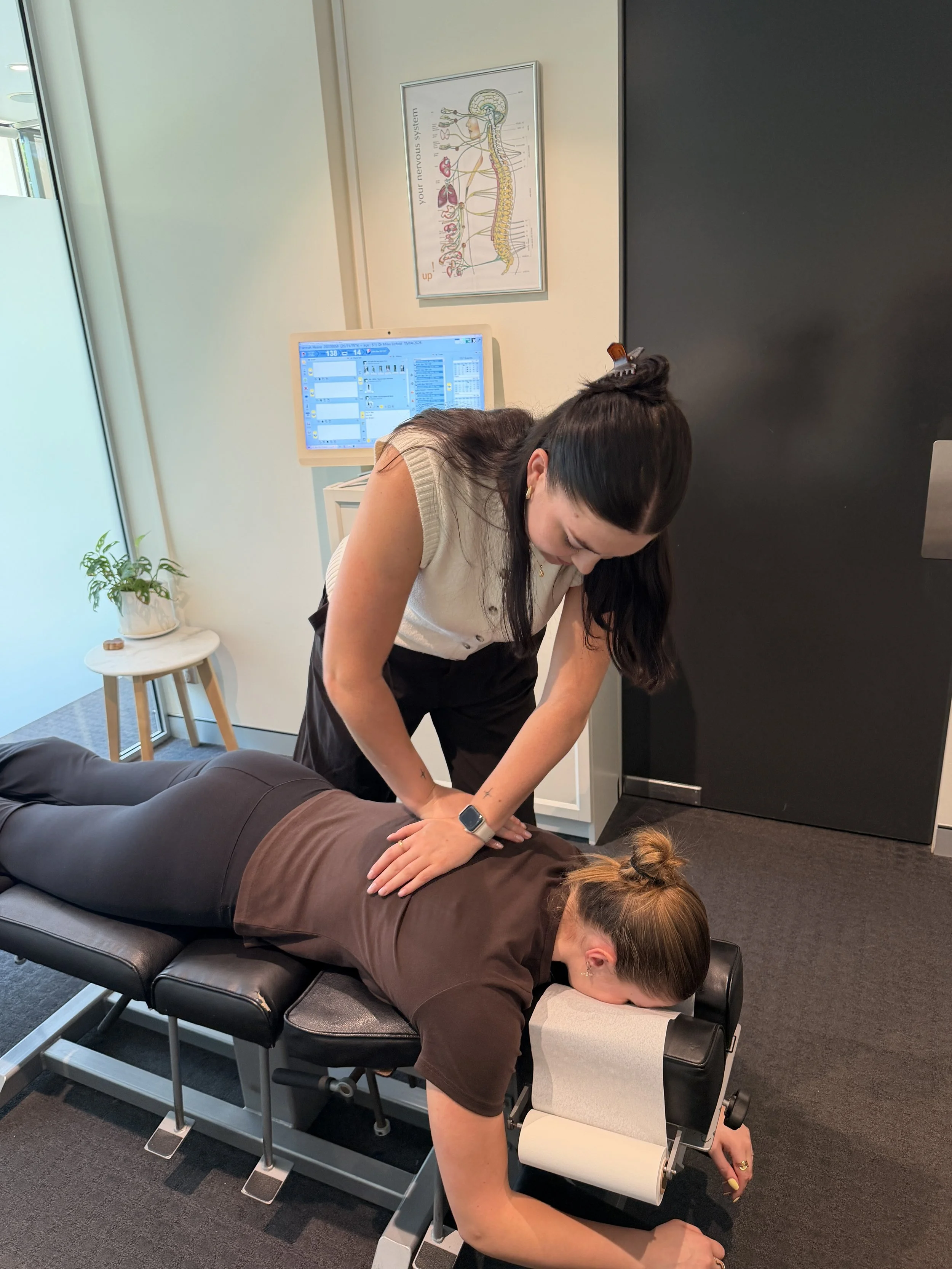
Chiropractic care is one of the most well-researched conservative treatment options for sciatica. The goal is straightforward: identify and address the root mechanical cause of the nerve compression, reduce inflammation, restore movement, and take pressure off the sciatic nerve without drugs or surgery.
A 2025 study found that people with sciatica who received chiropractic spinal manipulation instead of opioids had significantly fewer adverse events at the one-year mark, and that starting chiropractic care sooner reduced the likelihood of requiring opioid medications down the track.[9]
A randomised, double-blind clinical trial published in the European Spine Journal confirmed that active spinal manipulations produced significantly greater pain relief for acute back pain and sciatica with disc protrusion compared to simulated manipulations, both in the short and long term.[10] Spinal manipulation for sciatica is also endorsed as a treatment option by the US National Center for Complementary and Integrative Health and the UK's National Institute for Health and Care Excellence (NICE).[11]
What We Do at Up Chiropractic
Before any treatment begins, we take the time to properly assess what is actually causing your sciatica. That means a thorough case history, orthopaedic and neurological testing, and diagnostic imaging referral where appropriate. Understanding the source of nerve compression is what allows us to develop a care plan that is specific to you.
Depending on the cause and presentation, your treatment plan may include:
Spinal adjustments: precise, controlled movements that restore alignment, free restricted joints, and reduce mechanical pressure on the sciatic nerve roots
Soft tissue therapy: targeted work on the piriformis, glutes, and surrounding musculature to release trigger points and reduce referred nerve pain
Spinal decompression: gentle traction techniques that create negative pressure within the discs, helping to draw herniated material back into position and relieve nerve compression
Rehabilitation exercises: personalised stretching and strengthening programs for the core, hips, and lumbar spine to support recovery and reduce recurrence
Ergonomic advice: practical guidance on posture, workstation setup, lifting technique, and movement habits so that the gains made in the practice room carry into everyday life
What You Can Do Right Now?
While getting assessed is the most important step, there are a few things that can help manage symptoms in the meantime.

Movement is Medicine
It might feel counterintuitive, but staying gently mobile is far better than complete rest. Prolonged bed rest can actually worsen sciatica by allowing muscles to tighten and discs to lose hydration. Short, frequent walks and gentle movement are your friends.
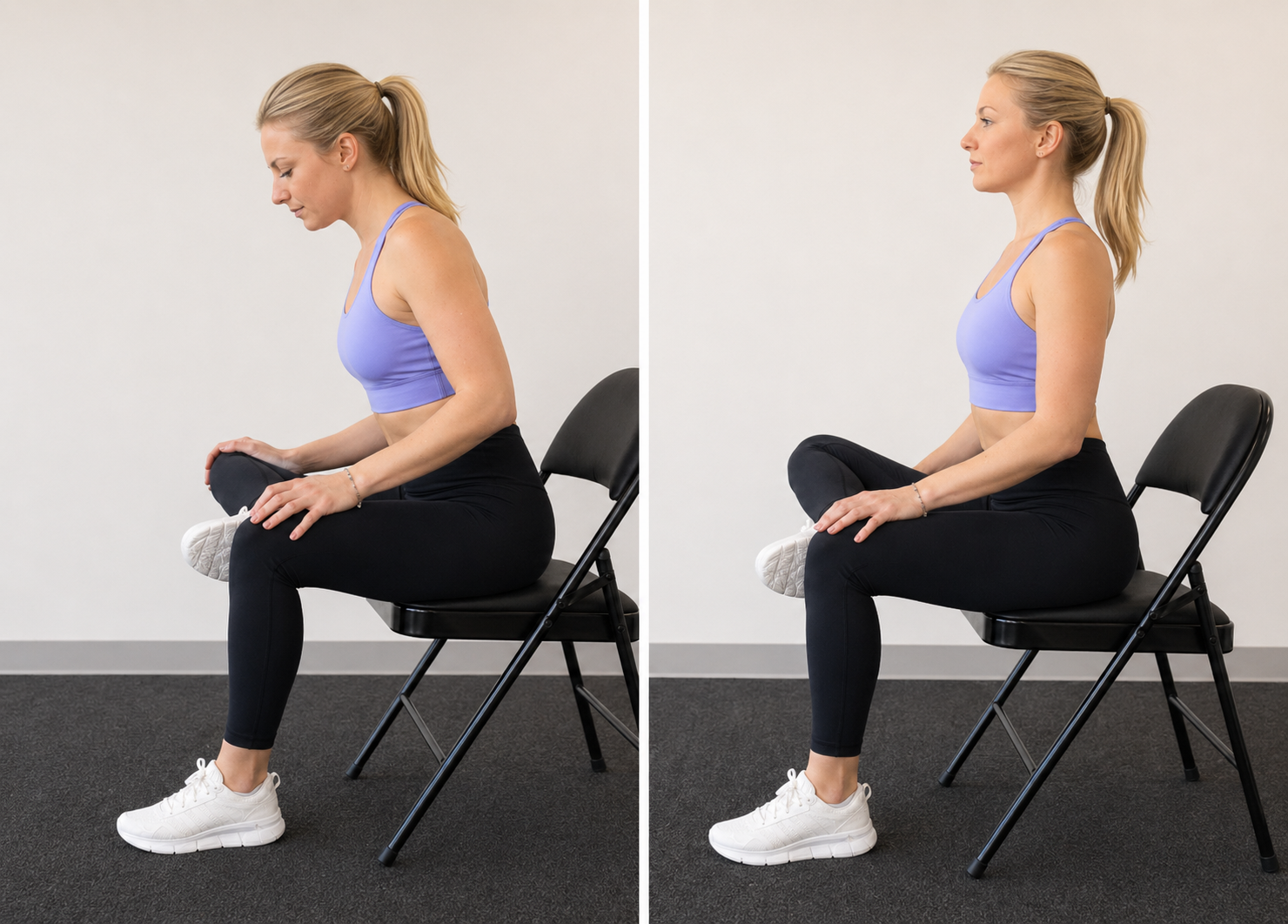
Stretch the Piriformis
A seated or lying piriformis stretch, where you cross one ankle over the opposite knee and gently press the crossed knee away from you, can provide real relief for those whose sciatic irritation involves that muscle. Hold each side for 30 seconds, repeat two to three times daily.
Ice vs. Heat
For acute flare-ups with strong inflammation, ice is generally more helpful in the first 48 to 72 hours. After that initial period, heat can help relax tight surrounding musculature. Your chiropractor can give you specific guidance based on your presentation.
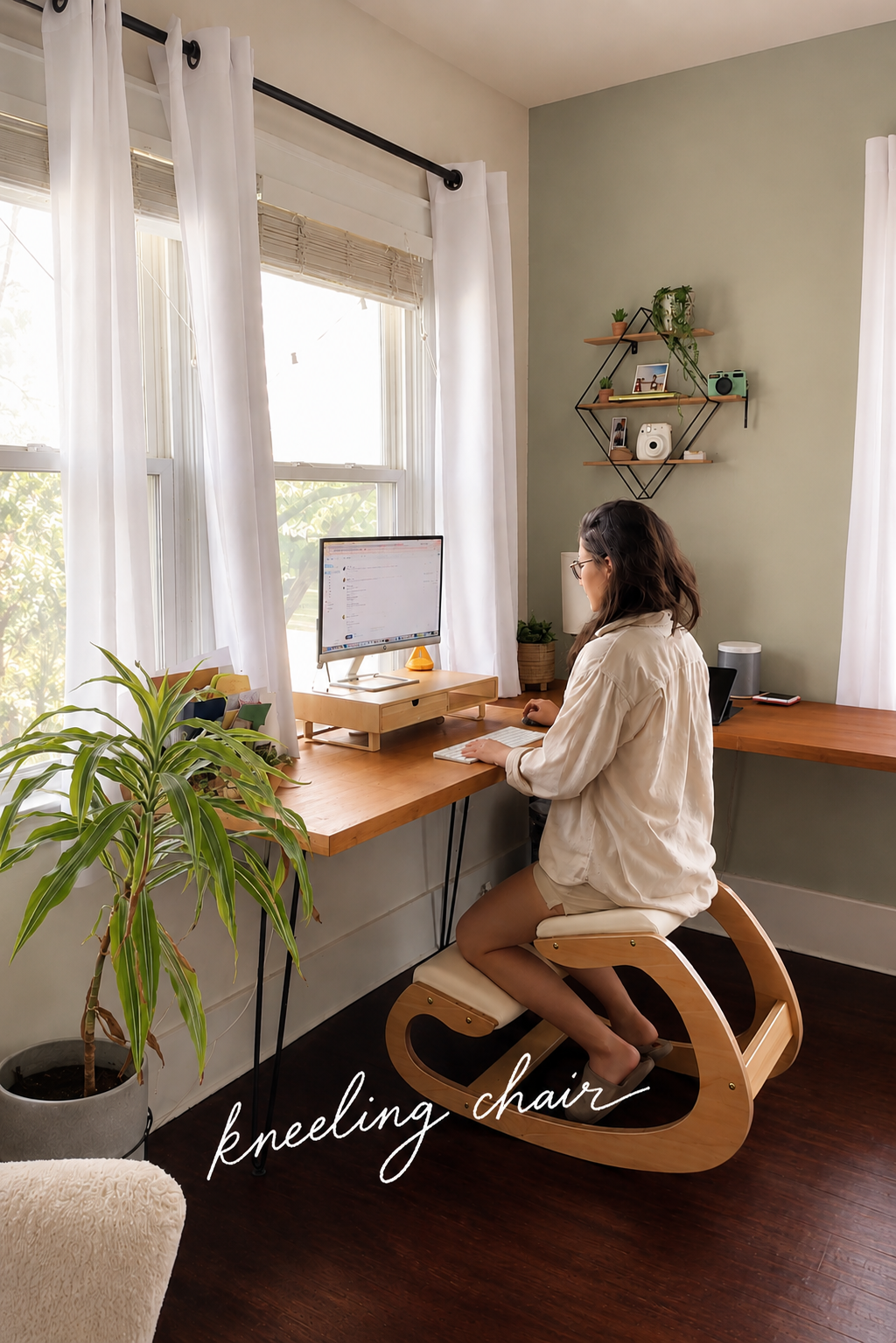
Watch How You Sit
Sitting with a slouched or twisted spine dramatically increases the load on the lumbar discs. If your job involves a lot of sitting, a lumbar support and regular standing breaks can make a meaningful difference to how your symptoms behave day to day.
The Bottom Line
Sciatica responds very well to early, targeted chiropractic care. The research is consistent: conservative care that addresses the cause, not just the symptom, produces better long-term outcomes than medication alone. If you have been putting up with that familiar burn down the leg, it is time to do something about it.
Frequently Asked Questions
Can a chiropractor help with sciatica? Yes. Chiropractic care is one of the most well-researched conservative options for sciatica — spinal adjustments, soft tissue therapy, and decompression techniques all aim to relieve pressure on the sciatic nerve at its source.
How long does sciatica take to go away? Most cases (80-90%) improve without surgery when managed correctly, often within several weeks of consistent conservative care. Recovery time depends on the underlying cause and how long symptoms have been present.
What's the fastest way to relieve sciatica pain? Staying gently mobile (not resting completely), targeted stretching like the piriformis stretch, and getting a proper assessment early all help. A chiropractor can identify the specific mechanical cause and target treatment accordingly rather than just managing symptoms.
Ready to Sort It Out?
Book in with the team at Up Chiropractic for a thorough assessment and a clear plan to get you moving and feeling right again.
References
Davis D, Maini K, Taqi M, Vasudevan A. "Sciatica." StatPearls, National Library of Medicine. Updated January 2024. https://www.ncbi.nlm.nih.gov/books/NBK507908/
Australian Institute of Health and Welfare. "Impacts of Chronic Back Problems." AIHW, Australian Government. https://www.aihw.gov.au/reports/chronic-musculoskeletal-conditions/impacts-of-chronic-back-problems/summary
Stafford MA, Peng P, Hill DA. "Sciatica: a review of history, epidemiology, pathogenesis, and the role of epidural steroid injection in management." British Journal of Anaesthesia. 2007. https://www.sciencedirect.com/science/article/pii/S0007091217354612
BTE Technologies. "Sciatica Treatment with Stretches and Exercises: The Chiropractic Perspective." Updated March 2025. https://www.btetechnologies.com/therapyspark/
Parreira P et al. "Risk factors for low back pain and sciatica: an umbrella review." Spine Journal. 2018. https://pubmed.ncbi.nlm.nih.gov/29792997/
Kaaria S et al. "Work-related risk factors for sciatica leading to hospitalization." Scientific Reports. 2019. https://www.nature.com/articles/s41598-019-42597-w
Shiri R, Lallukka T, Karppinen J, Viikari-Juntura E. "Risk factors for first time incidence sciatica: a systematic review." European Journal of Pain. 2014. https://pubmed.ncbi.nlm.nih.gov/24327326/
Complete Orthopedics. "Sciatica: Epidemiology and Prevalence." https://www.cortho.org/spine/sciatica-lumbar-radiculopathy/sciatica-epidemiology-and-prevalence/
Trager RJ et al. "Association between chiropractic spinal manipulation for sciatica and opioid-related adverse events: A retrospective cohort study." PLOS ONE. January 2025. https://pubmed.ncbi.nlm.nih.gov/39874372/
Santilli V, Beghi E, Finucci S. "Chiropractic manipulation in the treatment of acute back pain and sciatica with disc protrusion: a randomized double-blind clinical trial." Spine Journal. 2006. https://pubmed.ncbi.nlm.nih.gov/16517383/
HealthCentral. "Chiropractor for Sciatica: Causes, Symptoms, and Diagnosis." 2022. https://www.healthcentral.com/condition/sciatica/chiropractic-treatment-sciatica