
Healthy vs Unhealthy Food for Inflammation
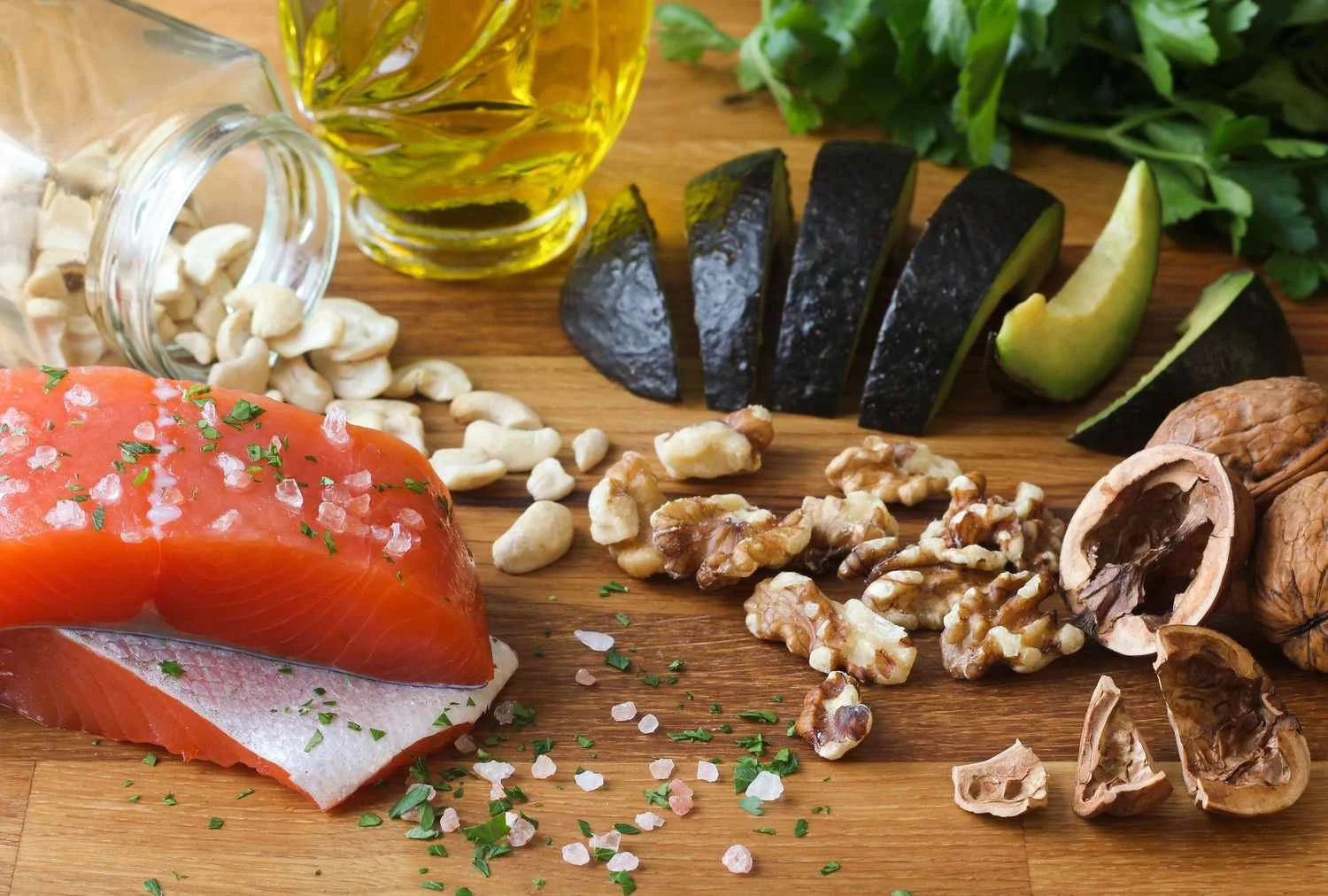
The Inflammation Connection: Foods That Help (and Hurt) Your Body's Healing
If you've been around our practice for any length of time, you've probably heard us talk about inflammation. Not the kind you see when you twist your ankle and it swells up, that's acute inflammation, and it's actually your body doing exactly what it should. We're talking about chronic, low-grade inflammation: the kind that sits quietly in the background, interfering with your body's ability to heal and function optimally.
Here's the thing: what you eat matters. A lot.
Your body wants to heal itself! It's designed for it, but when we consistently feed it foods that trigger inflammatory responses, we're essentially asking it to heal while simultaneously throwing obstacles in its way.
So let's talk about what helps, what hurts, and how you can start making choices that support your body instead of fighting against it.
The Foods That Fight Inflammation
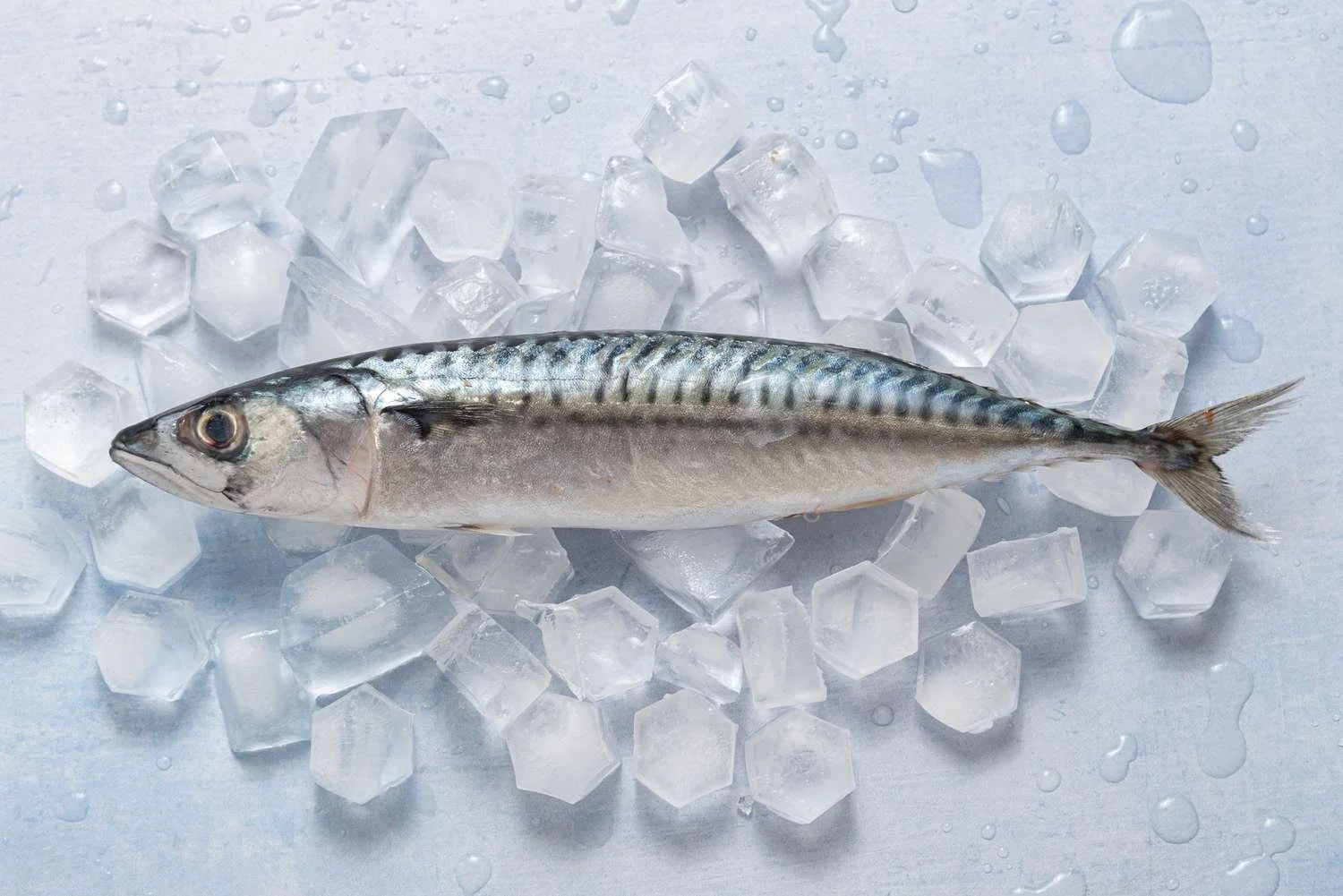
Oily Fish
Fatty fish like salmon, mackerel, sardines, and anchovies are packed with omega-3 fatty acids, specifically EPA and DHA. These omega-3s have been shown to reduce inflammatory markers in the body and support overall health[1][2].
Research consistently demonstrates that regular consumption of omega-3-rich fish can lower levels of C-reactive protein (CRP) and interleukin-6 (IL-6), both key markers of inflammation[3].
Aim for: 2-3 servings of oily fish per week. If choosing a supplement for this because you don't like oily fish then quality really counts with this…look for sustainable wild caught fish.
Extra thought: Warning, this may freak you out…but the Netflix documentary ‘Seaspiracy’ (just an opinion) talks about farmed Salmon and the possible concerns with antibiotic usage and colouring agents.
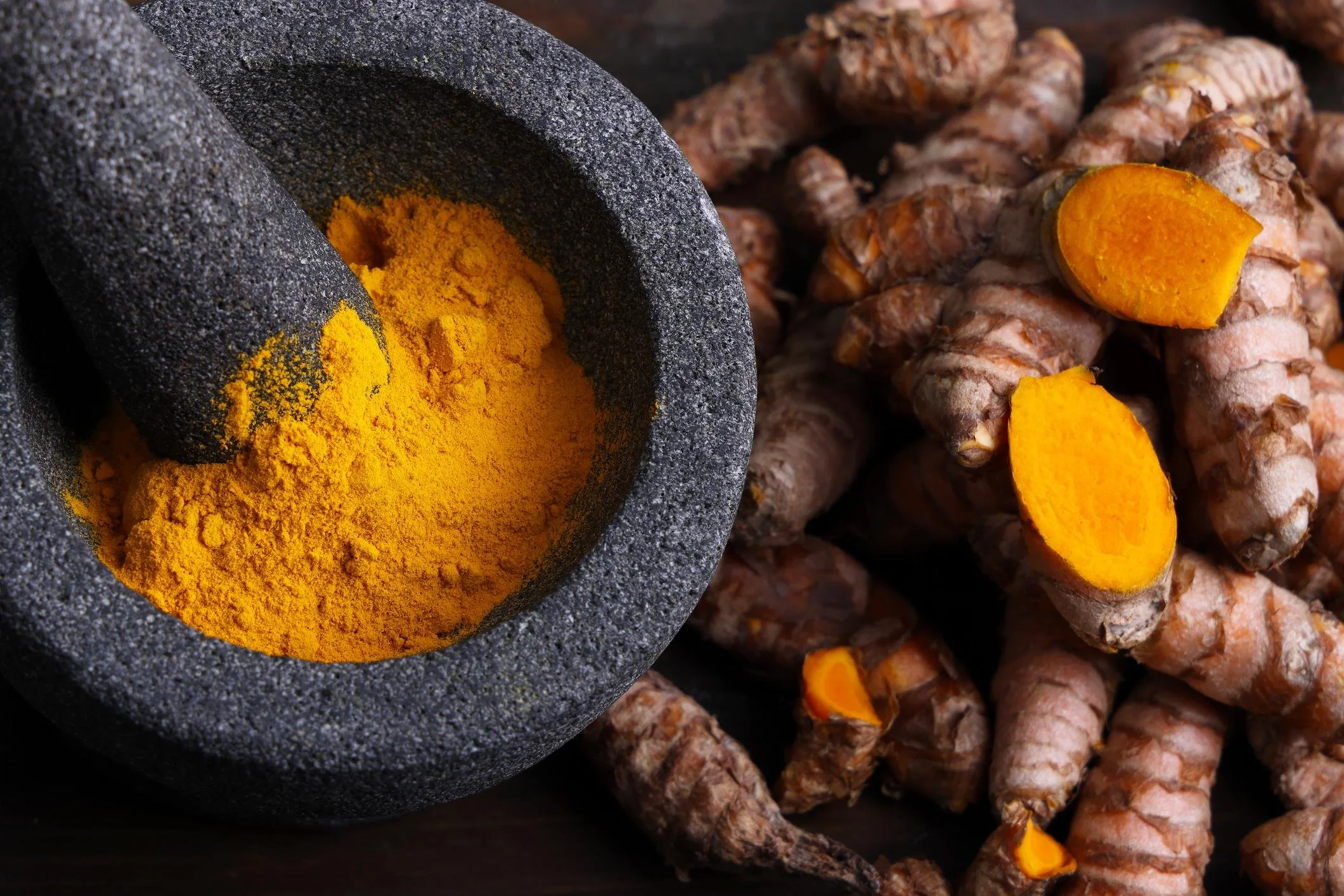
Turmeric
Turmeric contains curcumin, a compound with powerful anti-inflammatory properties. Multiple studies have shown curcumin to be as effective as some anti-inflammatory drugs—but without the side effects[4][5].
The catch? Curcumin on its own isn't well absorbed by the body. Pair it with black pepper (which contains piperine) to increase absorption by up to 2000%[6].
How to use it: Add turmeric (with black pepper) to curries, soups or smoothies. If cooking isn't your thing, a quality supplement works too.
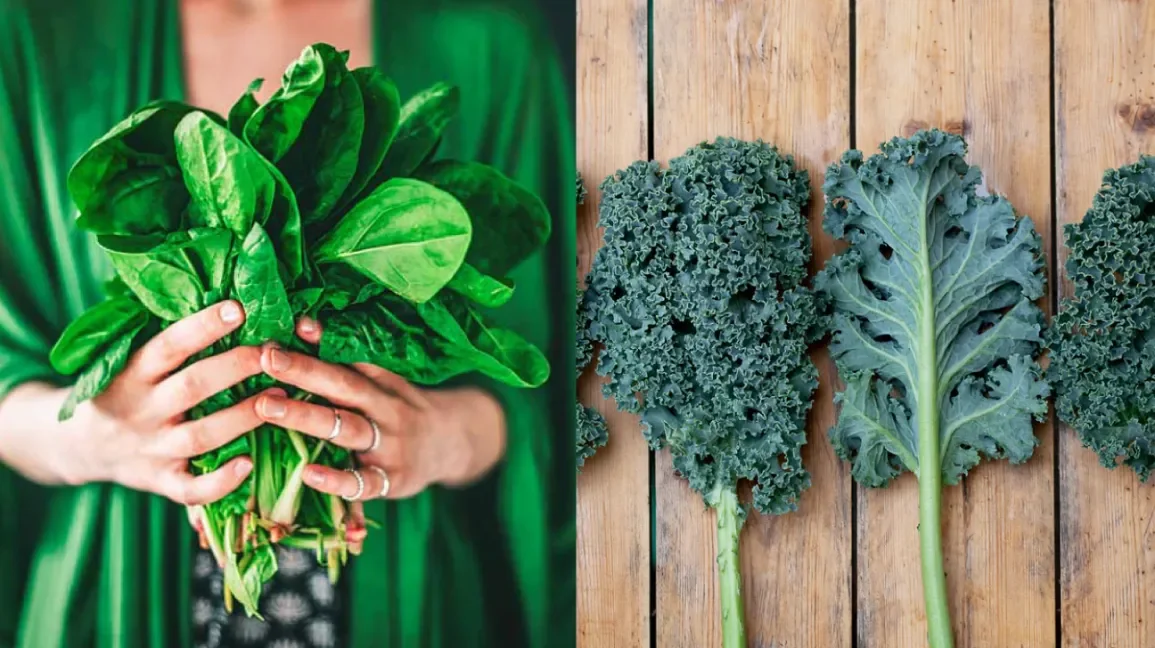
Leafy Greens
Spinach, kale, silverbeet, and other dark leafy greens are loaded with antioxidants and polyphenols that protect against inflammation[7].
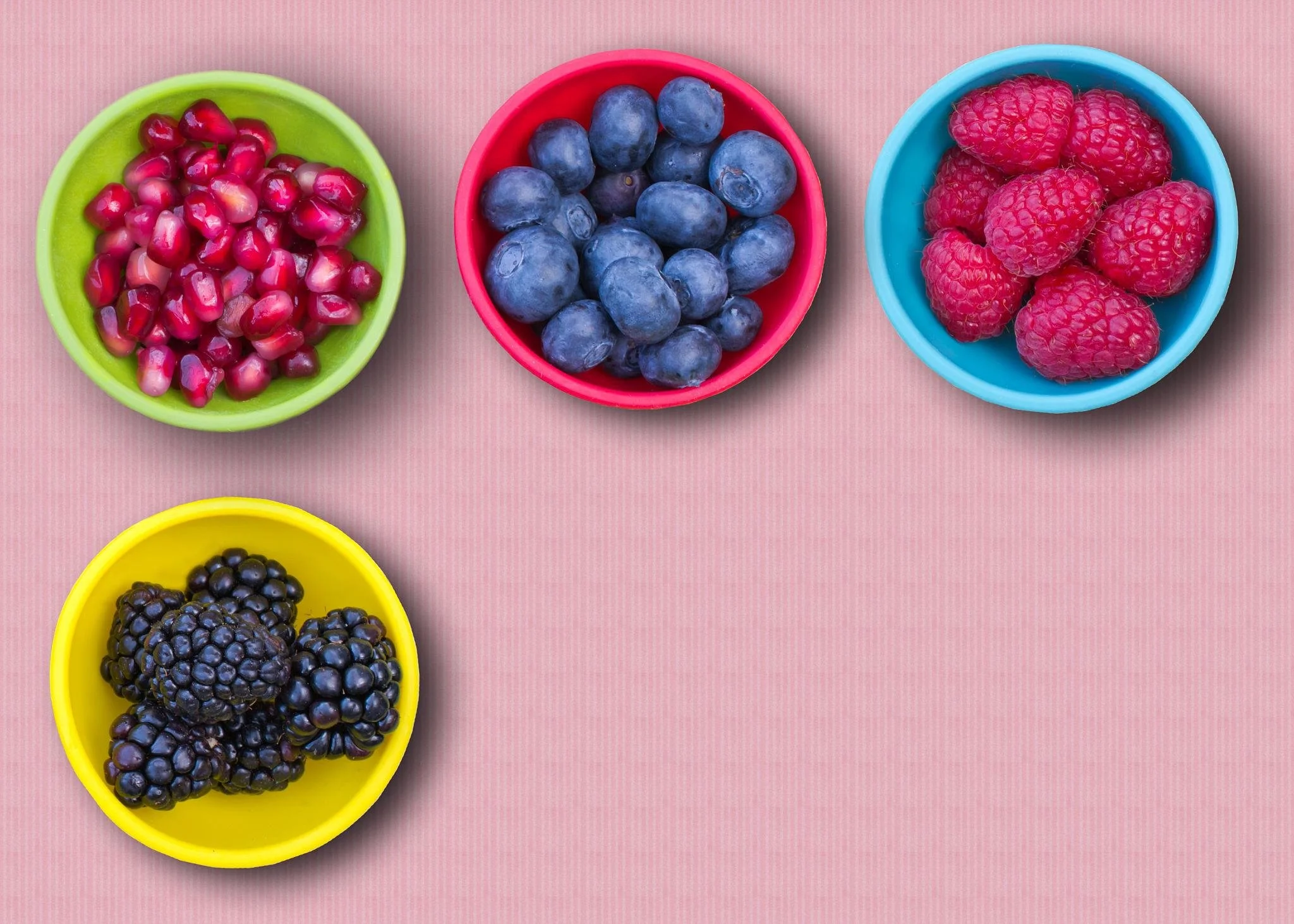
Berries
Blueberries, strawberries, and raspberries contain anthocyanins—antioxidants that have significant anti-inflammatory effects[9].
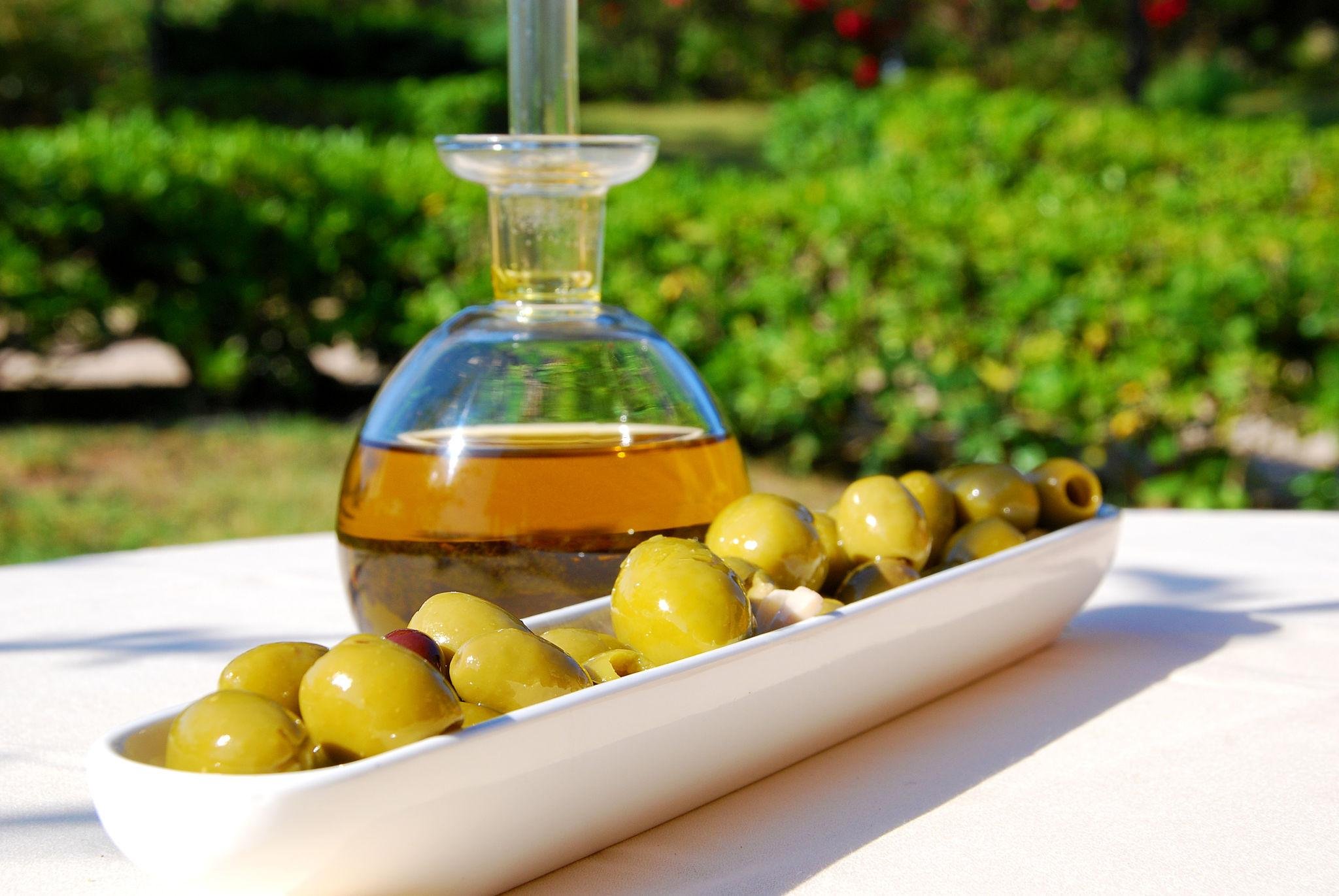
Olive Oil
Extra virgin olive oil is rich in oleocanthal, a compound that functions similarly to ibuprofen in reducing inflammation[11]. It's one of the key reasons the Mediterranean diet is so consistently linked to better health outcomes.
Pro tip: Use it raw on salads or drizzled over cooked food. High heat can damage its beneficial compounds.
Other Honourable Mentions:
Nuts (especially walnuts and almonds)
Green tea
Ginger
Dark chocolate (70%+ cacao)
What If You Don't Like Fish?
Not everyone loves salmon or sardines, and that's okay. If oily fish isn't your thing, a high-quality omega-3 supplement can fill the gap.
Look for supplements that contain both EPA and DHA (the active forms of omega-3), and aim for around 2-4000mg combined per day. Fish oil, krill oil, or algae-based omega-3s (for vegans) are all solid options. *note: if you are on medications check first whether they are safe with fish oil.
Similarly, if you don't cook with turmeric regularly: A curcumin supplement with black pepper extract (piperine) or in a liposomal form can provide the anti-inflammatory benefits without the culinary commitment.
Another thought: Here we are talking about foods that decrease inflammation but what about no food? There also is research to suggest that intermittent fasting reduces inflammation, a subject for another blog on it’s own but definitely food for thought!! [10]
The Foods That Fuel Inflammation
Now for the harder part: the foods that actively promote inflammation in your body.
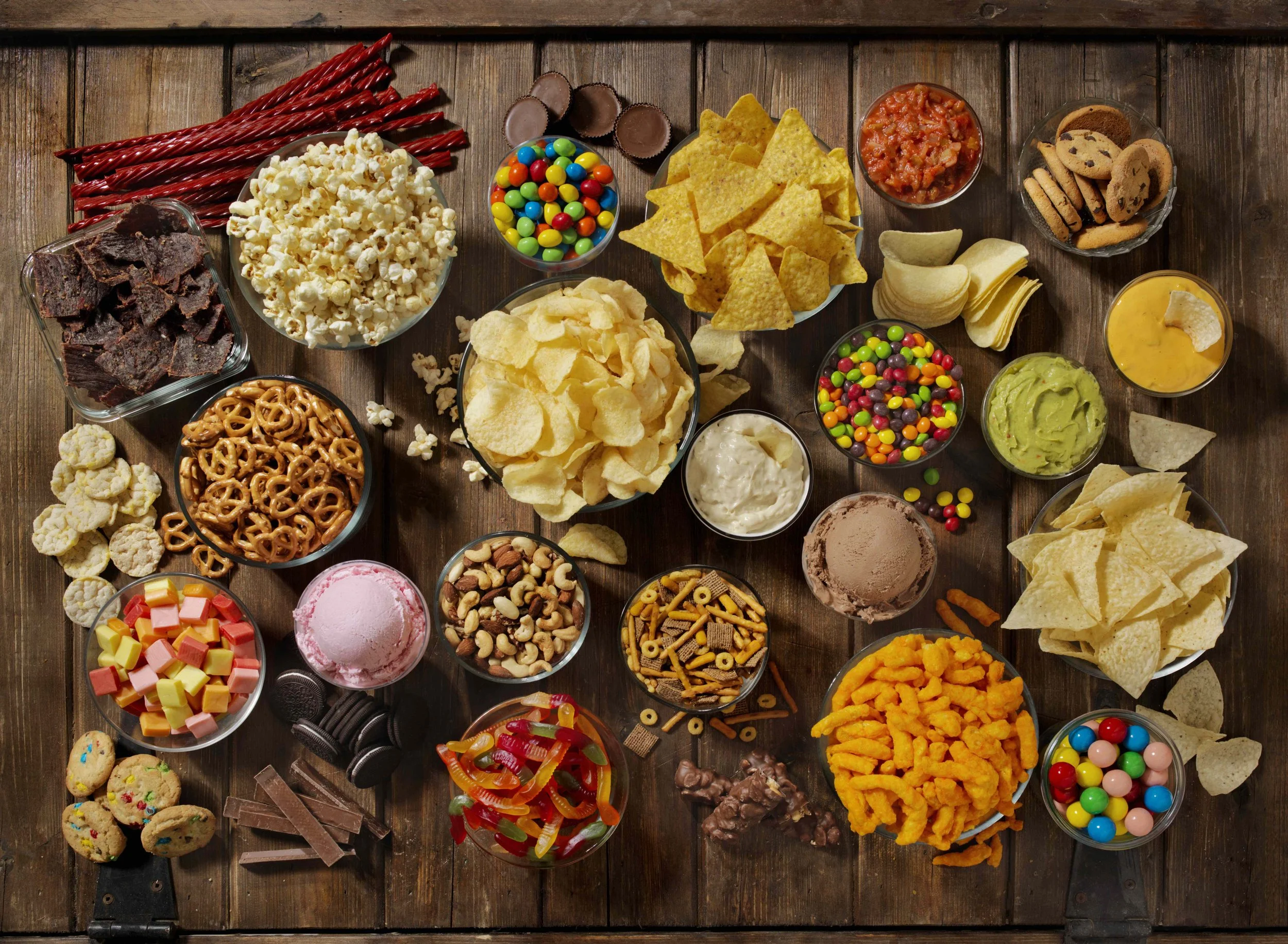
Seed Oils
This is a big one. Industrial seed oils like canola, soybean, sunflower, safflower, corn, and cottonseed oil are highly processed and rich in omega-6 fatty acids. While omega-6s aren't inherently bad, the modern diet is heavily skewed toward them, creating an imbalance that promotes inflammation[12][13].
These oils are in almost everything: processed foods, restaurant meals, salad dressings, baked goods. They're cheap, shelf-stable, and everywhere but they're not doing your body any favours.
What to use instead: Extra virgin olive oil, avocado oil, coconut oil, beef tallow or butter from grass-fed animals.
Sugar and Refined Carbohydrates
Sugar triggers the release of inflammatory messengers called cytokines[14]. Refined carbs like white bread, pasta, pastries spike blood sugar in a similar way, leading to increased inflammation over time[15].
High sugar intake has been linked to increased levels of CRP and other inflammatory markers, and is a key driver in metabolic dysfunction[16].
The reality check: It's not about never having sugar again. It's about being honest with yourself about how much you're actually consuming and whether it's helping or hindering your body's ability to function well.
Processed and Ultra-Processed Foods
If it comes in a package with a long ingredient list, it's likely contributing to inflammation. Ultra-processed foods are often loaded with seed oils, added sugars, preservatives, and artificial additives, all of which have been shown to promote inflammatory responses[17].
Trans Fats
Although largely banned in many countries, trans fats can still appear in some processed and fried foods. They're strongly linked to inflammation and increased disease risk[18].
Excess Alcohol
Some alcohol consumption may even have some health benefits, but excess intake increases gut permeability ("leaky gut"), which triggers systemic inflammation[19].
So, What Does This Actually Look Like?
You don't need to overhaul your entire life overnight. Start small:
Swap seed oils for olive or avocado oil
Add a serving of oily fish to your week
Reduce added sugars where you can
Eat more varied fruit and vegies
Choose whole foods over processed ones when possible
Your body is incredibly resilient. Given the right environment, and the right fuel, it knows how to heal. Our job is to stop getting in its way.
References:
[1] Calder, P. C. (2017). Omega-3 fatty acids and inflammatory processes: from molecules to man. Biochemical Society Transactions, 45(5), 1105-1115.
[2] Simopoulos, A. P. (2002). Omega-3 fatty acids in inflammation and autoimmune diseases. Journal of the American College of Nutrition, 21(6), 495-505.
[3] Kiecolt-Glaser, J. K., et al. (2011). Omega-3 supplementation lowers inflammation and anxiety in medical students. Brain, Behavior, and Immunity, 25(8), 1725-1734.
[4] Hewlings, S. J., & Kalman, D. S. (2017). Curcumin: A review of its effects on human health. Foods, 6(10), 92.
[5] Chainani-Wu, N. (2003). Safety and anti-inflammatory activity of curcumin: a component of turmeric. Journal of Alternative and Complementary Medicine, 9(1), 161-168.
[6] Shoba, G., et al. (1998). Influence of piperine on the pharmacokinetics of curcumin in animals and human volunteers. Planta Medica, 64(4), 353-356.
[7] Khoo, H. E., et al. (2017). Anthocyanidins and anthocyanins: colored pigments as food, pharmaceutical ingredients, and the potential health benefits. Food & Nutrition Research, 61(1), 1361779.
[9] Joseph, S. V., et al. (2014). Berries: anti-inflammatory effects in humans. Journal of Agricultural and Food Chemistry, 62(18), 3886-3903.
[10] Khalafi M, Habibi Maleki A, Mojtahedi S, Ehsanifar M, Rosenkranz SK, Symonds ME, Tarashi MS, Fatolahi S, Fernandez ML. (2025). The Effects of Intermittent Fasting on Inflammatory Markers in Adults: A Systematic Review and Pairwise and Network Meta-Analyses. Nutrients, 17(15):2388.
[11] Beauchamp, G. K., et al. (2005). Ibuprofen-like activity in extra-virgin olive oil. Nature, 437(7055), 45-46.
[12] DiNicolantonio, J. J., & O'Keefe, J. H. (2018). Importance of maintaining a low omega-6/omega-3 ratio for reducing inflammation. Open Heart, 5(2), e000946.
[13] Simopoulos, A. P. (2008). The importance of the omega-6/omega-3 fatty acid ratio in cardiovascular disease and other chronic diseases. Experimental Biology and Medicine, 233(6), 674-688.
[14] Ma X, Nan F, Liang H, Shu P, Fan X, Song X, Hou Y, Zhang D. (2022). Excessive intake of sugar: An accomplice of inflammation. Front Immunol., 13:988481.
[15] Buyken, A. E., et al. (2014). Association between carbohydrate quality and inflammatory markers. The American Journal of Clinical Nutrition, 99(4), 813-833.
[16] Aeberli, I., et al. (2011). Low to moderate sugar-sweetened beverage consumption impairs glucose and lipid metabolism and promotes inflammation in healthy young men. The American Journal of Clinical Nutrition, 94(2), 479-485.
[17] Monteiro, C. A., et al. (2018). Ultra-processed foods: what they are and how to identify them. Public Health Nutrition, 22(5), 936-941.
[18] Mozaffarian, D., et al. (2006). Trans fatty acids and cardiovascular disease. New England Journal of Medicine, 354(15), 1601-1613.
[19] Bishehsari, F., et al. (2017). Alcohol and gut-derived inflammation. Alcohol Research, 38(2), 163-171.